```

A Surgeon in London, A Patient 2,400 KM Away: The Rise of Remote Robotic Surgery

For generations, surgical procedures have been predicated on a single fundamental concept: the surgeon and patient must be in the same operating room. But today, rapid developments in robotics and digital connectivity, however, are posing a potential threat to this paradigm.

Published on 16 Jun 2026

A Surgeon in London, A Patient 2,400 KM Away: The Rise of Remote Robotic Surgery
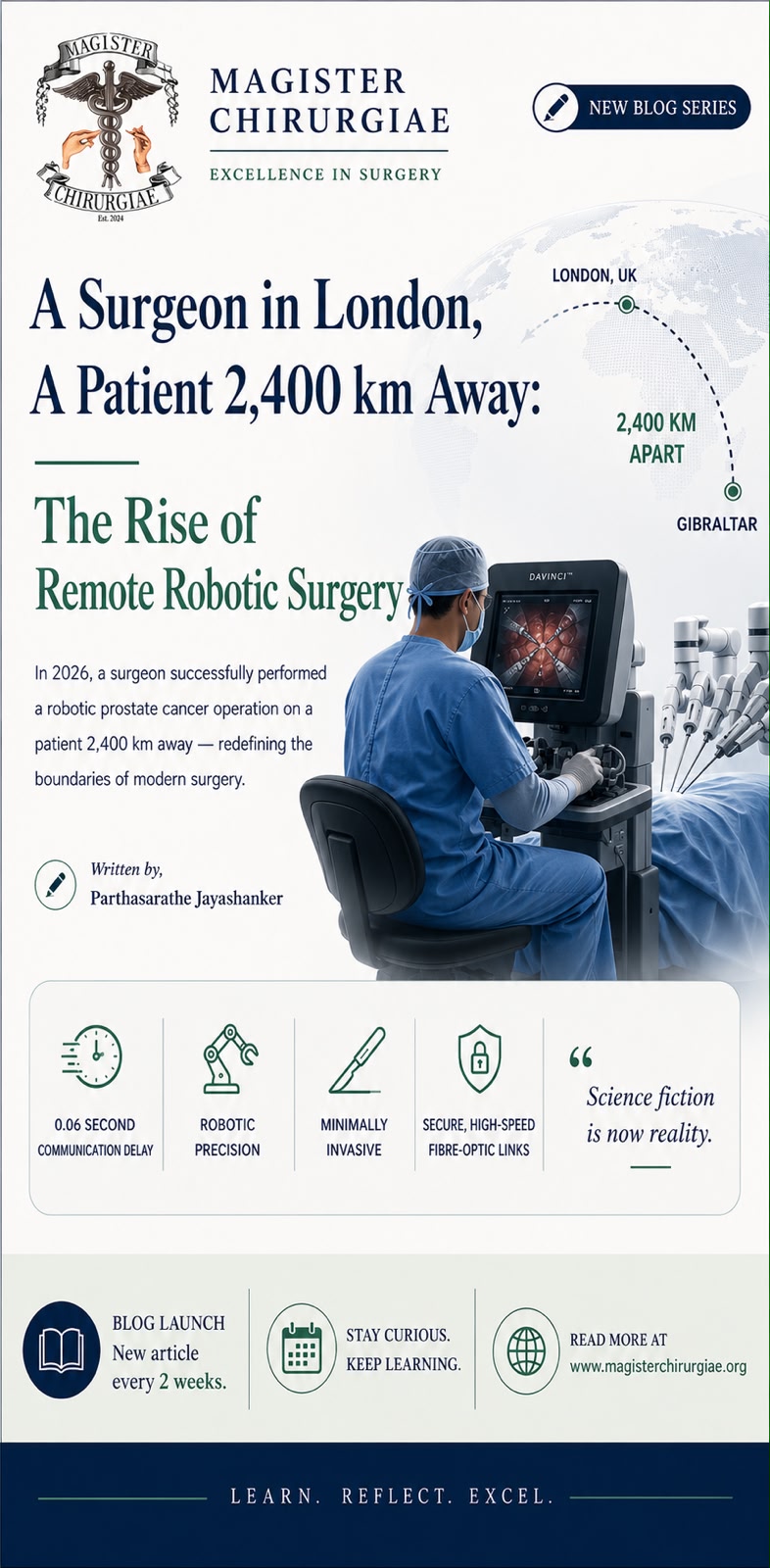
In March 2026, Professor Prokar Dasgupta, based in London, successfully performed a robotic prostate cancer operation on a patient in Gibraltar, approximately 2,400 kilometres (1,500 miles) away. This breakthrough has been termed the first example of successful robotically assisted remote telesurgery performed by an UK hospital.
It seems as if science fiction has become a reality!
What Is Remote Robotic Surgery?
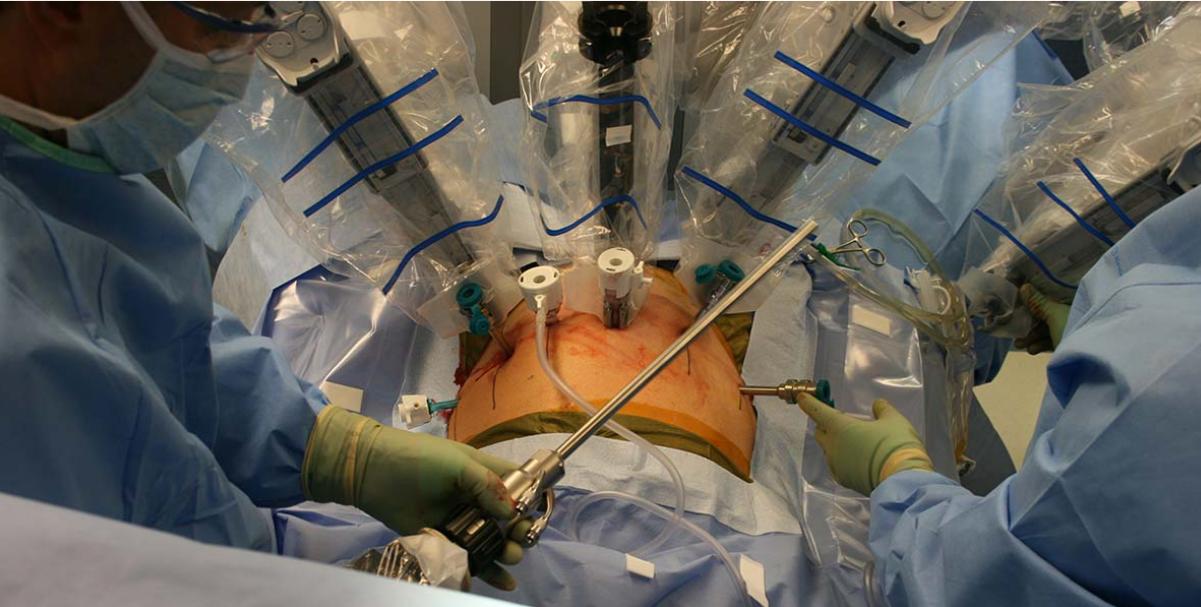
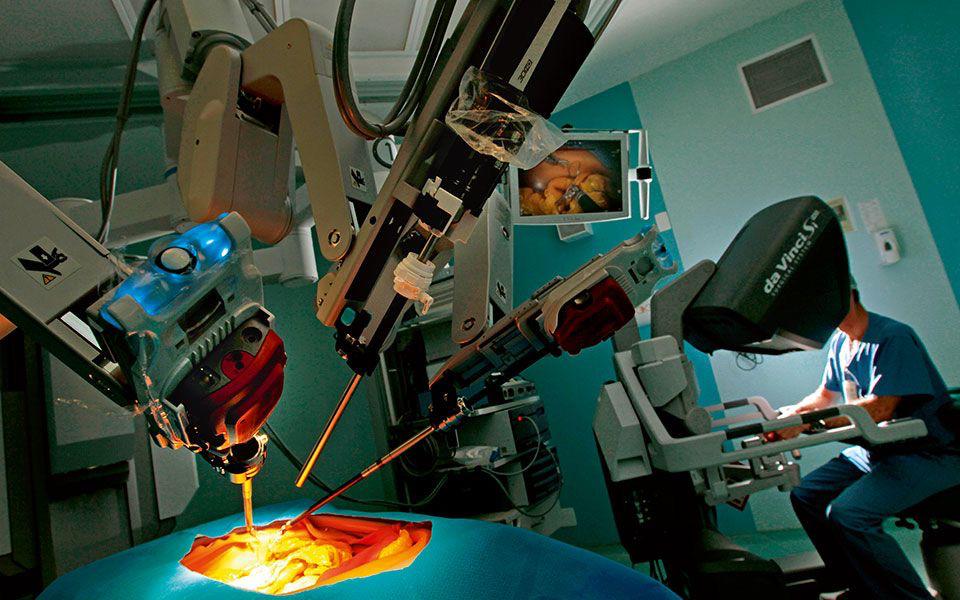
Remote robotic surgery, also known as telesurgery, enables a surgeon to manipulate robotic instruments from an alternative location through efficient and secure high-speed communication systems. The surgeon does not operate by being stationed next to the patient but controls a console which converts his hand gestures into exact movements made by robotic arms inside the operation theater. These systems are usually characterized by:
• magnified 3D images
• improved dexterity in confined spaces
• high precision during delicate procedures
• minimally invasive surgical access
In this particular example, Professor Dasgupta performed the surgery through a console based at The London Clinic while the patient was undergoing surgery in St Bernard’s Hospital. The communication delay was reported to be just 0.06 seconds, supported by secure fibre-optic links and a backup connection.
Why Prostate Surgery Is Well Suited to Robotics
The prostate is located deeply in the pelvic area along with sensitive nerves, blood vessels, and the urinary tract. Such an operation requires great precision since even small movements can influence recovery and long-term function.
For this very reason, robotic-assisted surgery is now popular in urology. Some potential benefits include:
• great control over the surgical instruments
• better visual clarity
• more minor incisions
• minimal blood loss in certain cases
• faster recovery for some patients
The remote use of the robot is one of the greatest technological advances stepping forward.
Why This Advancement Matters
1. Increased Accessibility for Specialists Those patients who live far away from big cities where there is always a great deal of specialist surgeons can now have access to those without leaving their place of residence.
2. Reducing Geographic Barriers With the help of telecommunication, hospitals with robotic facilities may collaborate with experts who can fill the gaps between regions.
3. Enabling Collaboration Across Nations In complicated cases when several surgeons are needed, remote robotic surgery will give the possibility to involve specialists from other countries.
4. Improving Surgical Training Such technology may become one of the effective ways to teach surgical operations to medical students around the world.
But, Limitations Still Remain Despite its promise, remote robotic surgery still faces certain obstacles in its development.
These include:
• need for ultra-high-speed internet;
• problems with latency in delicate surgical operations;
• the problem of cybersecurity;
• different licensing in other countries;
• a question of liability;
• expensive equipment and its maintenance.
For instance, in the Gibraltar procedure, an on-site surgical team was present in case immediate intervention was required or connectivity failed.
What Could the Future Look Like?
With improvements in technology such as robotics, fibre-optic networks, and communication systems, remote surgery may become even more viable for some selected procedures.
It is unlikely that the advancement will take away from the skills of the surgeons. Instead, it will help to improve the way their services are rendered to patients.
In the operating room of the future, location would no longer be necessary.
Conclusion
From this article, it becomes clear that technology has revolutionized the field of medicine and that what used to sound far-fetched may actually be possible. It brings a lot of innovations into the field, making medicine a constantly changing area for discussion.
For students and aspiring surgeons, good luck on your journey ahead, the future of surgery may be more connected, more innovative, and more exciting than ever before.
References
1. King’s College London. King’s College London professor performs remote robotic surgery in UK first. 13 March 2026.
2. King’s College London. Robot-assisted surgery research overview.
3. King’s College London. Pioneering robotic surgery for better patient outcomes.
Written by, Parthasarathe Jayashanker
```